
Now I’m not one to watch commercial television, especially the reality type, but I recently watched several episodes of the current season of Master Chef. Given my love of cooking and good food, it’s about as good a fit for me as any of these shows could be and to be honest I really enjoyed seeing the dishes that a lot of the contestants came up with. There was a lot of very impressive cooking.
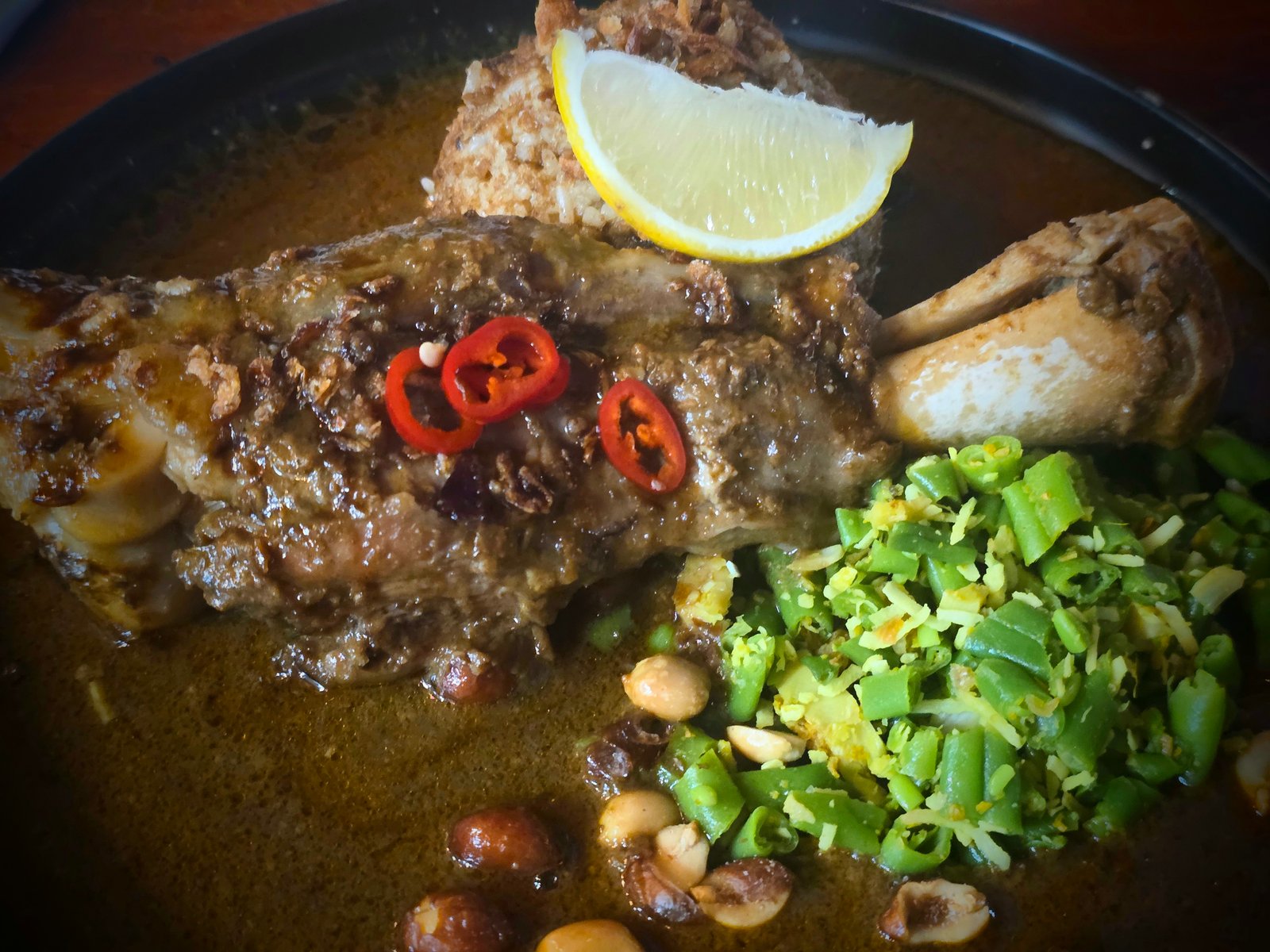
Now I consider myself to be a good cook. I can cook a steak to perfection, I can make a beautiful Sri Lankan fish curry, cook a hearty lamb shank casserole, and even make a light, fluffy soufflé. But the dishes that the contestants on Master Chef were turning out without even opening a recipe book were astounding. It left me asking a question: do all of these people really have all of these recipe right there in their heads? Because there is no way that they are just winging it.
This seems unrealistic, even for a contestant who is hell bent on becoming professional chef that they know exactly what the recipe is to make a perfect cake batter, traditional French pate, or other very specific dishes.
So I asked the question of Google “do contestants have access to recipes, can they study before cooking”. The answer was: yes. Contestants are given time to both study and practice the recipe that they will cook for the next challenge.
That rather took the gloss off what looked like super human abilities and left me wondering why so many of them have absolute disasters when they cook for the cameras. I guess that the answer is, at the end of the day, they are regular people, not chefs, who are learning and pushing themselves and taking risks to try to achieve something extraordinary for the judges – and sometimes it doesn’t work out.
Which is my segue to matters sex related – I have come to realise over the sixteen years that I have been a male sex worker for women that having good sex is a lot like cooking for someone. It takes effort, it takes intention, it takes practice, it takes communication, and some times you will mess it up, and sometimes your partner just won’t be into what you like and enjoy – just like cooking.
That statement begs the question though: how do we do better? How do we improve the sex that we have with our partners?
Traditional western narratives about sex in relationships are very much “don’t ask, don’t tell” and “happily ever after”. Meaning we expect that when we connect with someone who we find attractive and whose company we enjoy that everything will just work out when we have sex.
This might happen, but then again it might not. And there are myriad reasons why.
If you love wild sex and experimentation, or kink, or BDSM, or role play, or just slow gentle connected sex, this isn’t something that you can readily advertise to someone you have just met and can still be difficult or impossible to discuss once you are in a relationship with someone.
My answer to the question starts with – first, we have to know and own our sexuality. Do you know what you like? Are you able to express what you want and need to a partner? Many people cannot answer those two questions. It can take a lot of “work” on our selves to be able to answer them honestly.
Once you can answer those questions you are in a much stronger position to build a better sex life with a partner – new or existing. If you can both answer those questions then the relationship is in a better position to give you both what you want. So, just like Master Chef, while it may appear that people with a great sex life are able to just effortlessly wing it, in reality they probably put in the time and effort behind the scenes to come prepared.
I think that this is one of the thing most important things that I have done over the years – give women the safety and space to explore themselves and their sexuality, so that they can ask for and receive the sex that they want and need.
John